Showing posts with label morning. Show all posts

Monday, 15 May 2017

Mood disorders... Psych 101...

MOOD DISORDERS
When emotions take over

Mood disorders are when disturbances in an individual's emotional state are so extreme that they affect his or her thinking processes, social relationships, and behavior. These tend to be episodic, meaning the symptoms will come and go. There are two major types of mood disorders that can be broken down into several sub-types. They are depressive disorder and bipolar disorder. 


DEPRESSIVE DISORDERS

To be diagnosed with major depression, an individual has to experience a major depressive episode at least once. Major depressive episodes last for a period of two weeks or longer, and the individual will suffer from some, if not all, of the following symptoms:
  • An overwhelming and consistent feeling of sadness or irritability
  • Feeling guilty or worthless
  • A loss of interest in doing anything, even previously enjoyable activities, and a lack of interest in being social
  • Having very low energy
  • Being unable to focus or make decisions
  • Experiencing a change in eating patterns, either not eating well or eating too much
  • Experiencing a change in sleeping patterns, either not being able to sleep or sleeping too much
  • Experiencing recurrent thoughts of suicide or death
Interestingly enough, individuals that are extremely depressed will usually not commit suicide because, during their major depressive episode, they feel too apathetic and unmotivated to create a suicide plan and follow through with it. Instead, it is during the recovery process, when the individual has more major depression than men. While more women also attempt suicide than men, men are more successful with following through with their suicide than women. In addition to major depression, there are several other types of depression that share these symptoms:
Dysthymia Disorder
If a person experiences major depression symptoms for at least two years, then they have what is known as dysthymia disorder. It should be noted that people who suffer from this do not experience depressive symptoms at all times. There are moments when they do feel completely normal. 

Seasonal Affective Disorder
Appropriately referred to as SAD, seasonal affective disorder is when a person suffers from symptoms of depression because of the time of the year. The majority of people who experience the condition do so in the wintertime. 

Psychotic Major Depression
This is when an individual suffers from symptoms of major depression and also has hallucinations and delusions. 

Postpartum Depression
Postpartum depression occurs when a woman experiences depression following childbirth. This may be due to shifts in hormone levels, a lack of sleep, bodily changes in the woman's social or work relationships. 

Atypical Depression
This is a type of depression where an individual has many characteristics of major depression. Symptoms of atypical depression usually included a gain in weight and increase in appetite, excessive sleeping or always feeling tired, and feeling very sensitive to any type of rejection.

Catatonic Depression
This is a very rare type of depressive disorder where a person will become motionless for an extended period of time, or move in a violent or strange manner. People who suffer from catatonic depression will sometimes decide not to speak, or may even imitate the actions or speaking pattern of another individual. 

Melancholic Depression
This type of depression is characterized by losing interest and pleasure in many, if not all, activities. Individuals also find it very difficult to react positively when something good happens. Symptoms are generally worse in the morning, and early morning awakening can occur, where an individual wakes up on his or her own at least two hours too early without an external source causing the person to wake. 
Individuals suffering from melancholic depression also experience a very strong sadness that is obvious because of how different the person seems.
"Depression is a prison where you are both the suffering prisoner and the cruel jailer."- Dorothy Rowe

~Bella

Wednesday, 1 February 2017

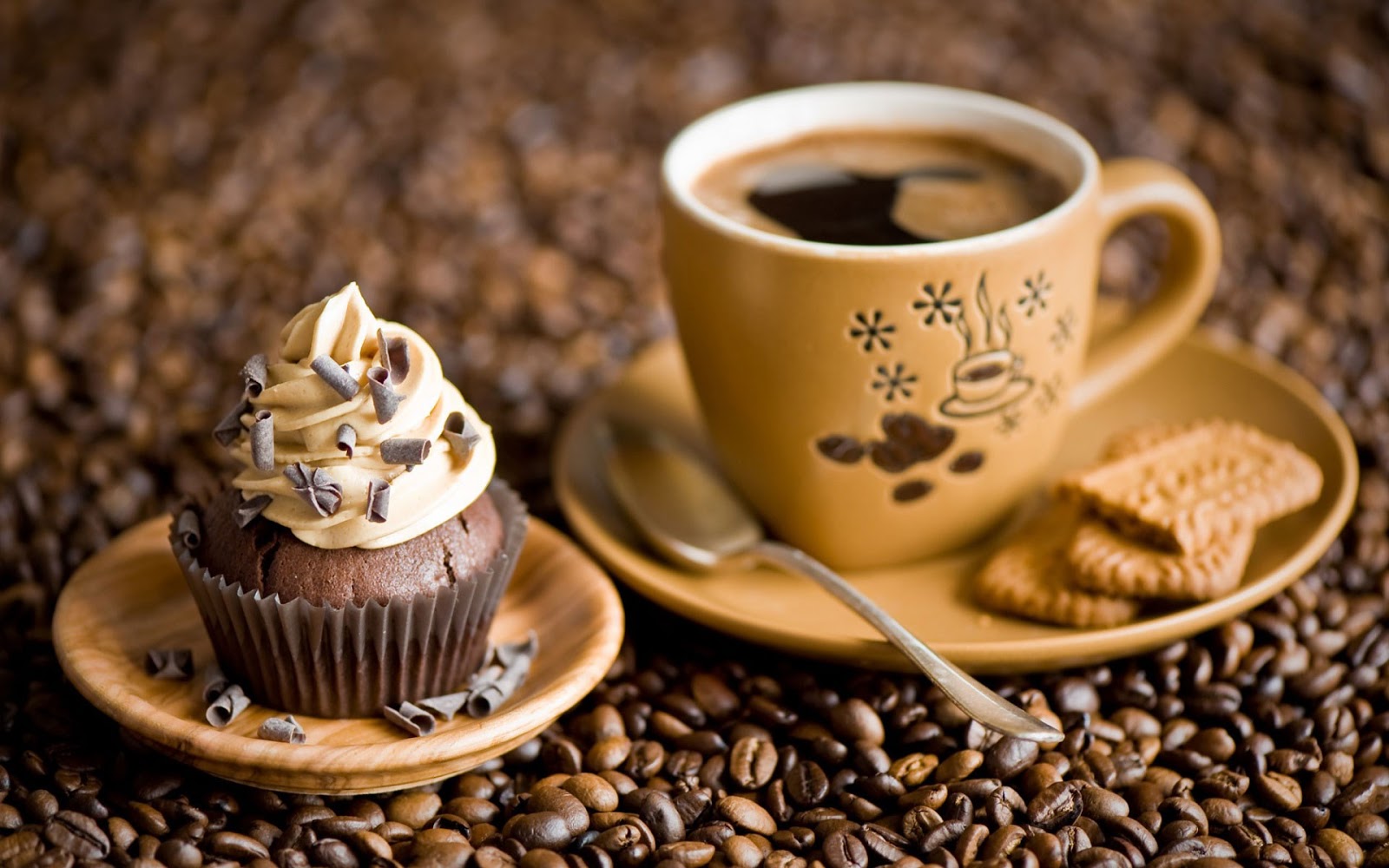
Coffee addiction...

A few months ago, I went through a couple of addictions that I described such as YouTube. The most "normal" addiction that I currently struggle with is COFFEE. Many of you suffer from the addiction.


When you hear addiction, you go straight to drugs, alcohol, but we forget the other little things which keep us from living right. Doesn't matter if they hit your health or sleep or the ability to socialize with others. Addictions are a part of every human being, it's part of society. Playing video games all day long can be an addiction, keeps you from going outside and socialize, physically socialize!

Coffe...

What a long story! It's a love/hate relationship that grew stronger throughout tough and sleepy times, but also made me more anxious, more vulnerable to the disorder. One cup of strong coffee, no sugar, no cream, just black coffee will wake me right up. Yet, even after a cup, I want another one later on... Then, the anxiety kicks in out of the blue, worse than ever, and still, I want that cup of coffee, that cappuccino, that espresso.

As it may affect my anxiety in a terrible way, drinking coffee have some benefits!

#1. Coffee can help people feel less tired and increase energy level. Caffeine is the most commonly consumed psychoactive substance in the world. Many trials in humans show that coffee improves various aspects of brain function. This includes memory, mood, vigilance, energy levels, reaction times and general cognitive function.
( I've seen that after drinking a cup of coffee, I wake up, feel energetic enough to start a day)

#2. Coffee has some essential nutrients. For example, in a single cup of coffee contains Riboflavin (Vitamin B2), Pantothenic Acid (Vitamin B5), Manganese and Potassium, Magnesium and Niacin (Vitamin B3). May not seem a lot but some people drink more than one single cup, I know I can go up to three cups a day before 16:00 or 4:00 P.M.
#3. Coffee seems to want to protect the liver. We all know how important our liver is, it is an amazing organ that carries out hundreds of important functions in our bodies.  Somehow, coffee may protect against cirrhosis which is a condition that may be lead by several diseases such as hepatitis, fatty liver disease, and others. People who drink 4 or more cups per day have up to an 80% lower risk.

#4. Depressed? Drink coffee. Depression is a serious mental disorder that may cause a significantly reduced quality of life. It's becoming more common at this period of time. A Harvard study published a couple years ago, women who drank 4 or more cups per day had a 20% lower risk of becoming depressed.
(I had to go through depression, and I can tell that coffee did help me out with the happiness that wasn't around anymore)

Coffee may affect us in a negative way, but we forget the good that may also give us. It's quite an addiction, don't worry if you are one of these people who can't go a day without drinking a cup of this magical drink. I was reading an article from last year in "The Huffington Post", British, very interesting! They stated; " ...if you suspect that you're going overboard with your coffee addiction, you're certainly not alone. In fact, some of the most successful and acclaimed human beings to ever walk the planet were totally, sometimes painfully, nuts for coffee. Just ask these guys:

1. Johann Sebastian Bach wrote a short opera about coffee obsession.
2. Ludwig Van Beethoven took his coffee with exactly 60 beans per cup.
3. Benjamin Franklin hung out at coffee shops before it was cliche.
4.Voltaire is said to have drunk 40-50 cups of coffee a day.
5. Søren Kierkegaard took his coffee with approximately 30 sugar cubes, give or take a giant scoop.
6. Teddy Roosevelt drank a gallon of coffee a day. 
7. L. Frank Baum had four or five cups of coffee with cream and sugar each morning. 
8. Margaret Atwood has her own coffee line. 
9. David Lynch has anywhere from four to seven cups of coffee a day- with plenty of sugar.  "


Don't worry you aren't alone to be nuts over coffee... I know I am, even with my anxiety! 

"Coffee doesn't ask silly questions. Coffee understands." 

~Bella